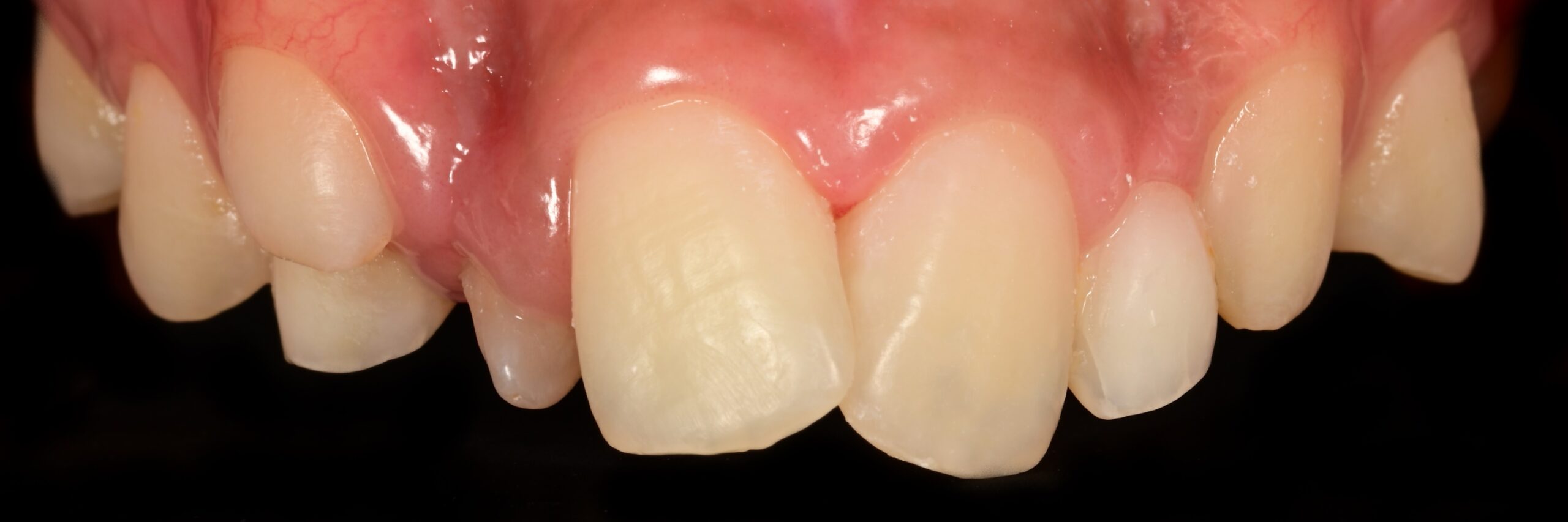
Dental trauma is underestimated in dental education, and overestimated in the panic.
Dental trauma is no rarity. It happens to children on playgrounds, teenagers on bicycles, adults at the wrong moment. And yet it remains one of the most underexposed topics in dental training. Alexander is, to his knowledge, the only practitioner in Belgium to organise full-day continuing education courses on dental trauma for dentists, a gap in the field that he himself has been observing with disbelief for years.
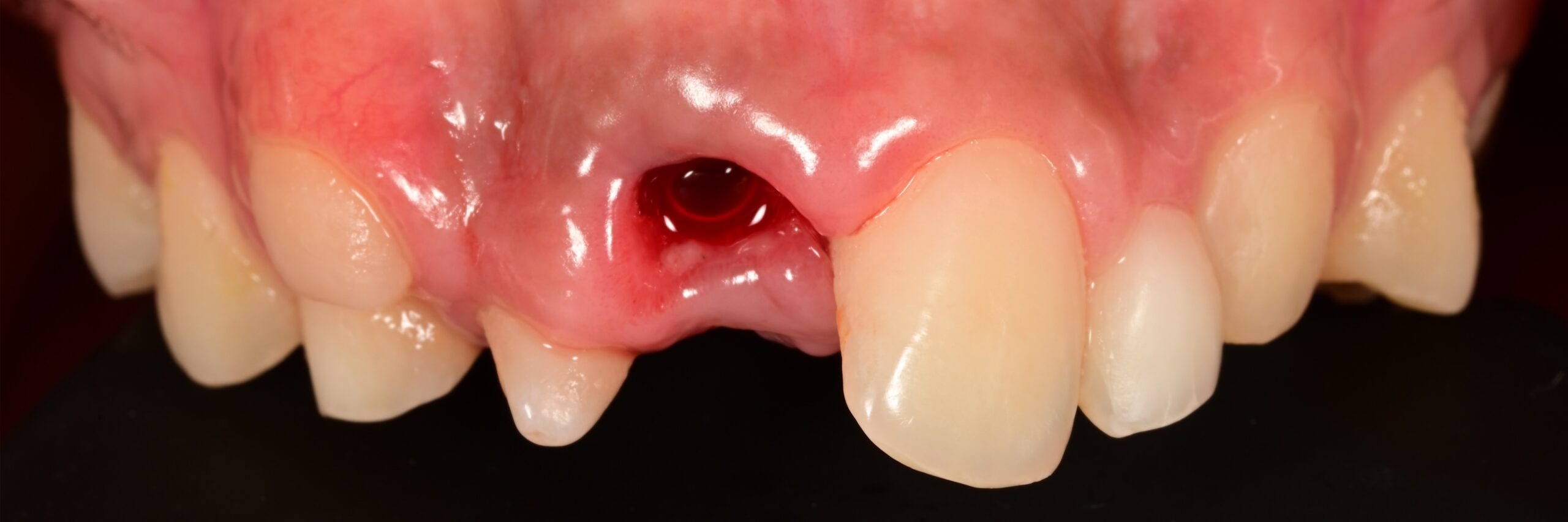
Trauma: those who know what they are doing save what others give up on
The treatment of traumatic dental injuries is, in essence, not complex. No rocket science required. What does matter is that the right steps are taken in the right order, and that this happens quickly enough. A knocked-out tooth does not have hours. It has tens of minutes. (Please store a knocked-out tooth in a cup of milk as quickly as possible.) That is why we always aim to see trauma patients the same day, or at the very latest within that same week. Not because we are sitting around waiting with a coffee and a biscuit, but because every hour that passes reduces the chance of a good outcome. That is not an opinion. That is biology.
The most common mistake? Placing a splint. Or more precisely: placing it incorrectly. In most cases, a well-placed splint is the single most important thing a dentist can do at that moment. And it is precisely there that Alexander encounters the most errors in patients who were previously treated elsewhere. Too rigid. Too long. On the wrong teeth. With the best of intentions, but the wrong result.

Trauma forgives little. But those who know what they are doing, and act quickly, can save what otherwise seemed lost.